An open pit permit others could not win
GCM is the only group to have obtained a metalliferous open pit mining permit in Victoria in the last two decades — a record earned through demonstrated environmental and community standards.
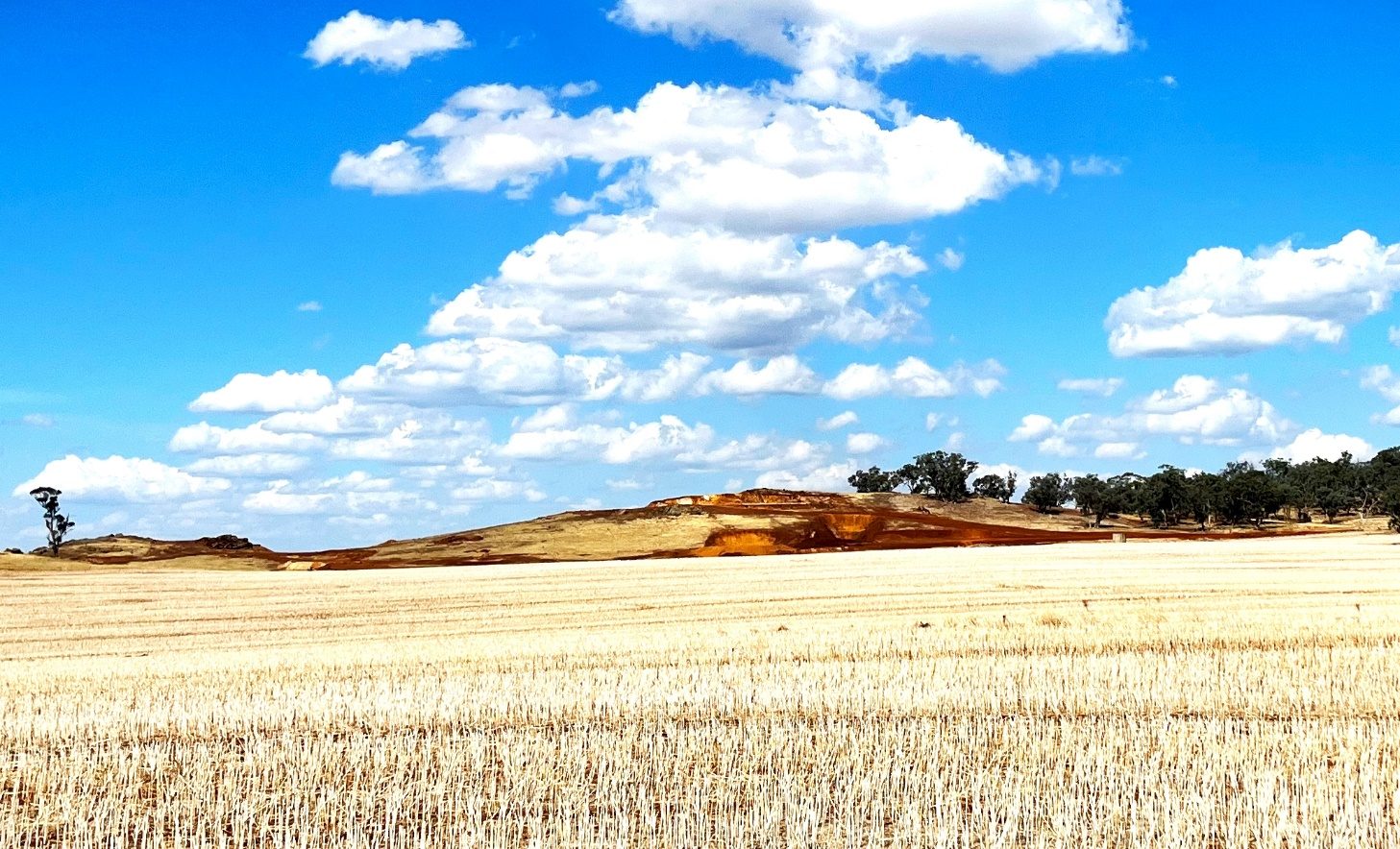
Central Victoria · Australia
Golden Camel Mining is developing six mines and a permitted processing hub in one of the world’s most productive goldfields — built from the outset around clean power, dry tailings and a zero-emission operating model.
A clear, permitted path
Central Victoria is one of the richest gold provinces on earth, and one of the hardest places to win a permit. Golden Camel Mining holds what the ground alone cannot give: granted leases, approved plans, and a processing hub cleared for construction.
Our first open pit oxide mine holds a granted mining licence and an approved work plan for oxide mining to recommence. Trial mining has already been completed on the ore body.
Planning and environmental approvals cover construction, operation, tailings disposal and rehabilitation. The plant pads are levelled and construction-ready.
Principal items for the Carbon-in-Leach circuit, including the mill, have been procured and delivered to the Nagambie site rather than remaining on order.
Four deposits across granted leases and exploration licences feed a single central processing facility, so each new mine adds ore without adding a plant.
The GCM difference
Victoria tightened its mining and tailings regulations after 2019. Very little new ground has been approved since. What GCM holds cannot simply be replicated by capital or by drilling.
GCM is the only group to have obtained a metalliferous open pit mining permit in Victoria in the last two decades — a record earned through demonstrated environmental and community standards.
GCM was the first group to receive full permits and approvals to construct a processing facility under Victoria’s post-2019 regulations, including tailings disposal and rehabilitation.
Members of our team conducted the original exploration on these deposits and were involved in the discovery that transformed Fosterville. The knowledge sits inside the company.
The district
The Golden Camel leases sit in the Waranga and Heathcote country of Central Victoria, within the same mineralised system that hosts Fosterville to the west and Costerfield to the south — both of them producing mines.
Fosterville, to the west, is operated by Agnico Eagle. Costerfield, to the south, is operated by Mandalay Resources and is one of the world’s premier gold–antimony mines. The Golden Camel ground lies on the belt between them.
Fosterville was regarded as an ordinary oxide operation until deep sulphides were found beneath it in the mid-1990s. The Golden Camel deposits carry the same geological signature Fosterville carried before that turn — and several of the people who worked on that discovery now work on ours.
Rail, road and grid infrastructure already serve the ground, which lies within a comfortable drive of Melbourne. This is a settled, well-serviced agricultural district rather than a remote frontier.
Two metals
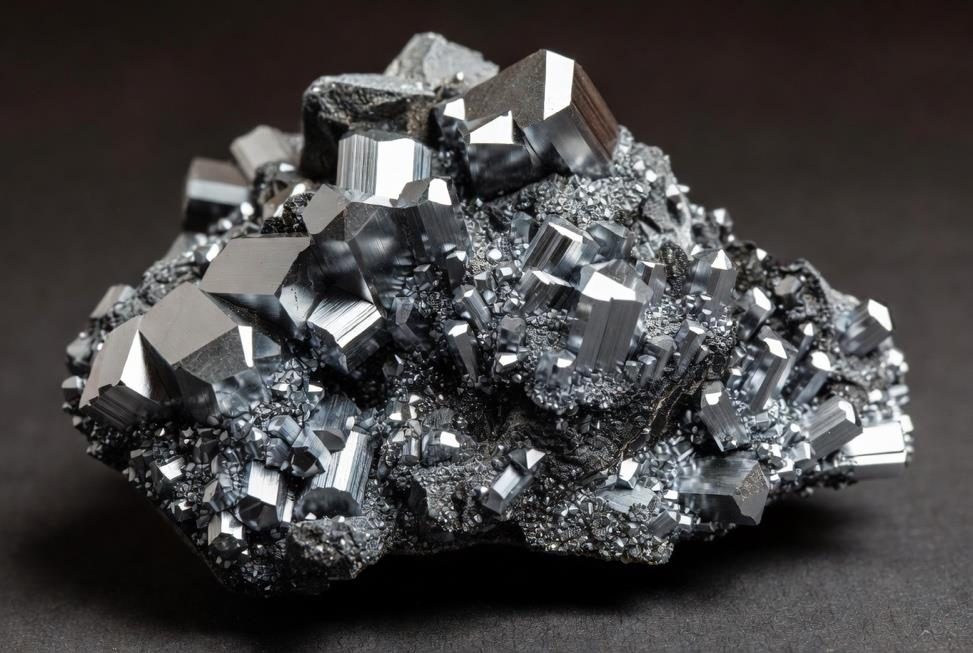
Antimony occurs with gold through this belt, and is recovered from the same ore. One deposit therefore serves two very different markets.

Gold
Antimony
GCM’s antimony is recovered alongside gold from the Shiraz trend, which lies on the same high-grade structure as the neighbouring Costerfield operation — no separate mine, and no separate mining fleet.
Golden Greening
Our net zero pathway is not a pledge appended to a mine plan. Solar generation, battery storage, biogas, an electric fleet and carbon capture through tailings were designed into the project as operating infrastructure, because together they lower the cost of running it.
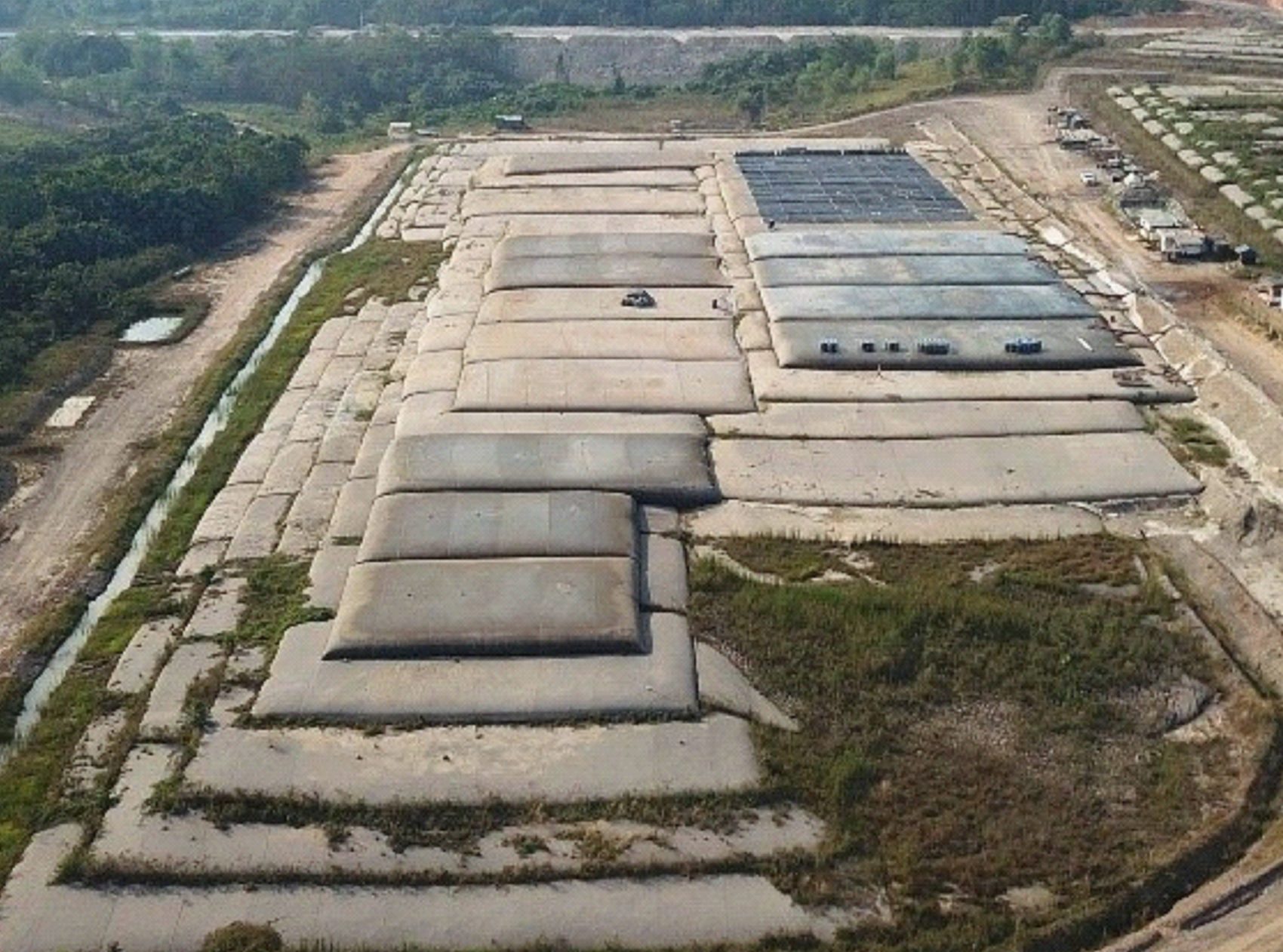
Tailings are dried in geotextile tubes and dry-stacked rather than held behind a wet dam, cyanide is destroyed before storage, and the residue is detoxified and repurposed into soil conditioner for the surrounding farmland.
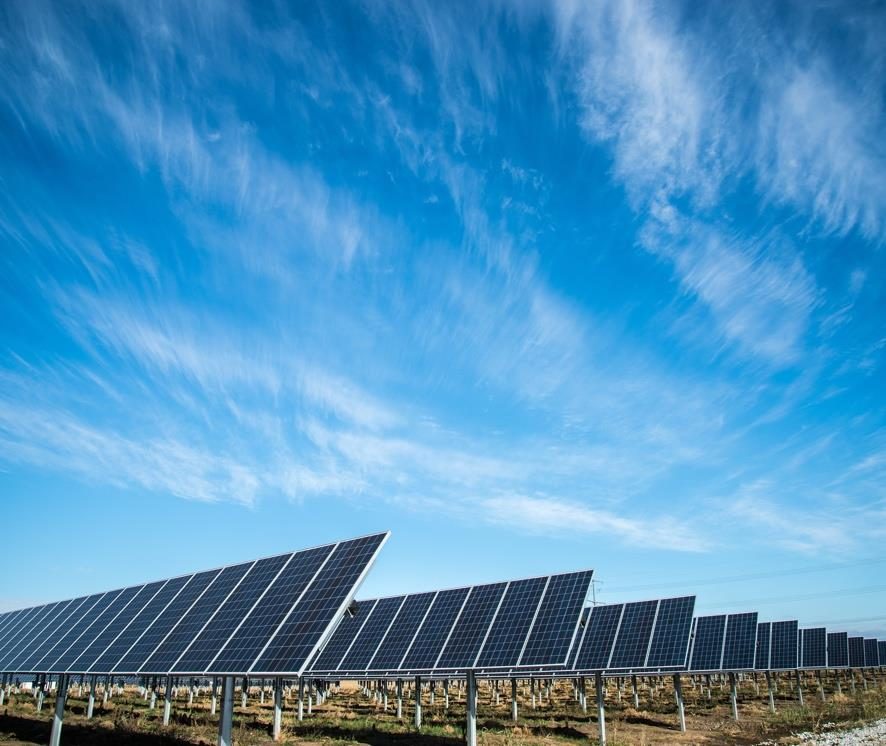
On-site generation with battery storage powers operations and charges the fleet, at a fraction of grid cost.
Organic waste diverted from Melbourne becomes power, gas and process inputs instead of landfill.
Mining, haulage and processing run on electricity, cutting both diesel emissions and operating cost.
Dried tailings become a carbon sink and, once detoxified, a soil conditioner returned to local land.
The projects
Development is staged so that the oxide mines and the first plant come first, and each stage funds the ground that follows it.
Partnership
Golden Camel Mining and Nagambie Resources Limited (ASX: NAG) are equal partners in the joint venture that is building and will operate the gold toll treatment plant at the Nagambie Mine, with GCM as manager.
The plant is being built on a pre-existing disturbed mining site, creating a new industrial precinct from ground already worked rather than opening new country. It will treat GCM ore first, and is available to treat ore from other operators in the district.

Get in touch
Whether you are a neighbour, a contractor, a supplier, a downstream buyer of gold or antimony, or a government body looking at secure Western supply — we would like to hear from you.