Skip to content
Golden Camel MiningVictoria · Australia
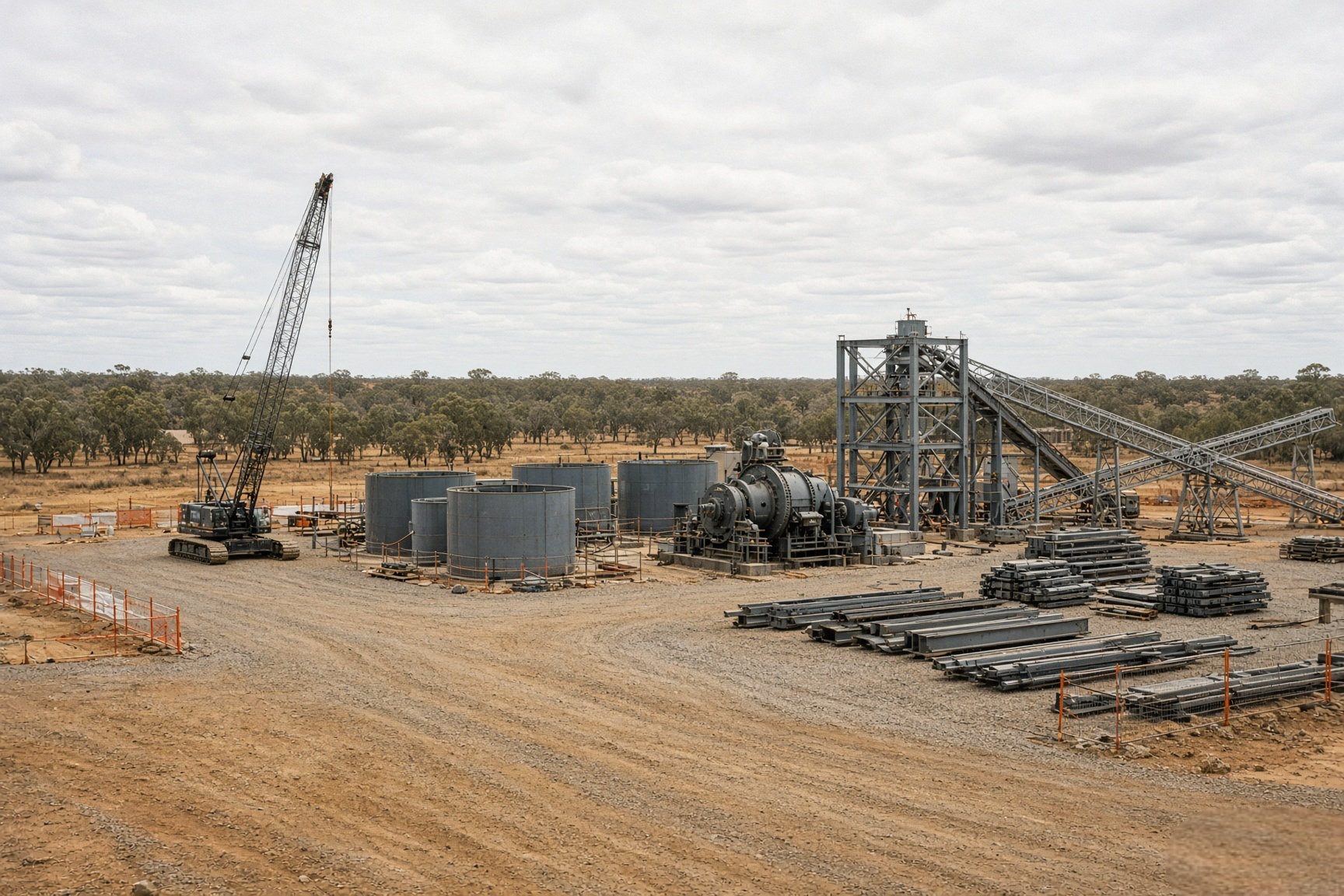
Leach tanks, mill and structural steelwork under construction on a levelled processing plant pad

Six mines. Four deposits. One processing hub.

The GCM development programme has been in planning for years and is built to be delivered in two stages, each one paying for the ground that follows.

The programme

Build the plant once. Feed it for a generation.

The logic of the project is simple. One central processing hub, built to a standard that would be difficult to permit again, is fed in sequence by six mines drawn from four deposits.

The first among the six is the Golden Camel Open Pit Oxide Mine, which is shovel-ready. Its permits are granted, its ore body has been confirmed by trial mining, and the plant that will treat its ore is approved with major componentry already delivered to site.

Once revenue from the first mine begins, the project becomes self-sufficient and the development of the mines that follow is financed from operating cash flow rather than from further external funding.

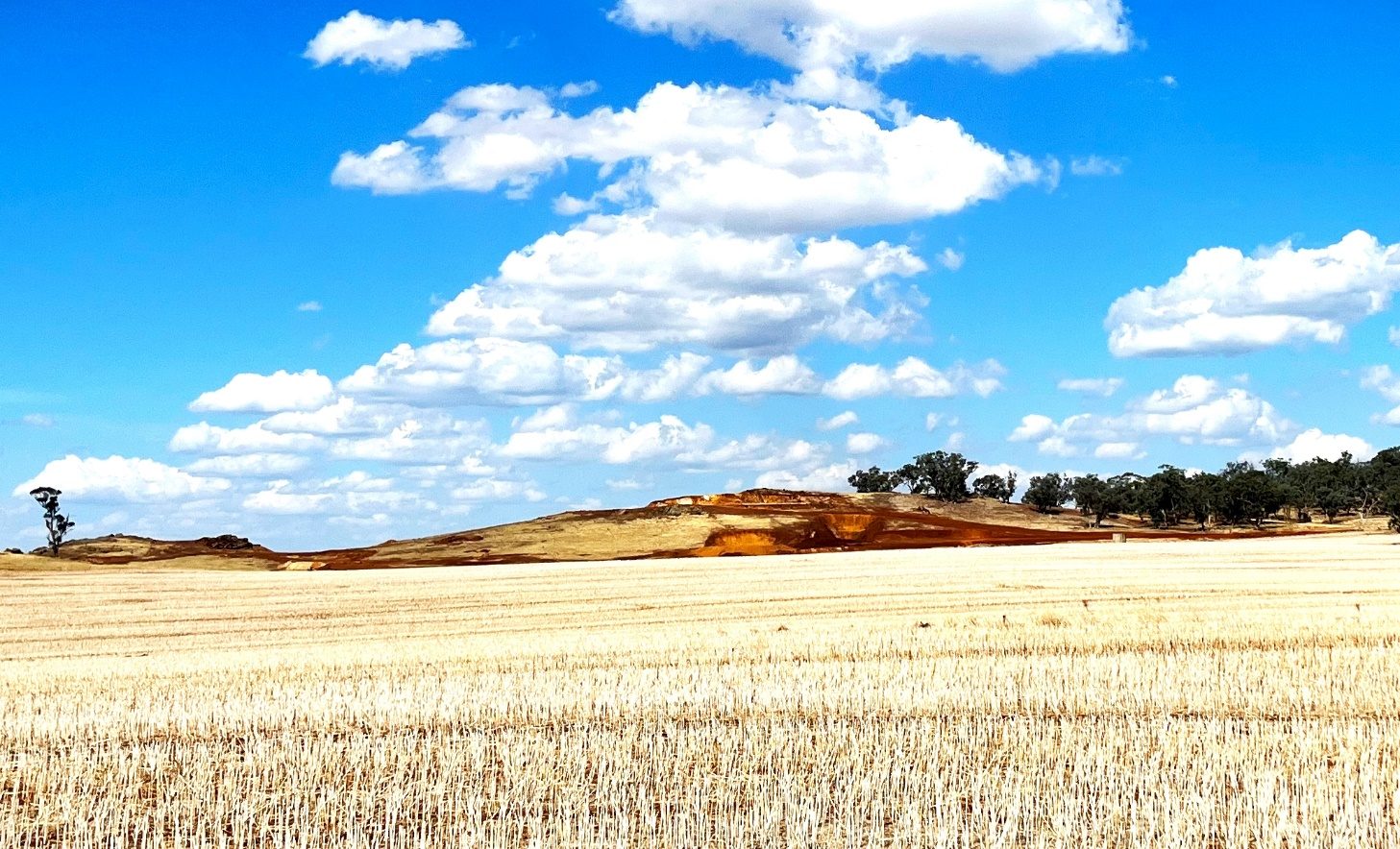
The Golden Camel oxide ore body outcropping at surface through farmland
Mine one — Golden Camel oxides, Colbinabbin

Stage one

Oxides and the first plant

Build the Nagambie joint venture Carbon-in-Leach oxide treatment plant, the tailings storage facility and the tailings re-treatment plant, and bring four of the six mines into production.

  • Golden Camel Mine — open pit oxides
  • Shiraz — open pit oxides
  • Opperman — open pit oxides
  • Toolleen — underground oxides

Stage two

Sulphides, antimony and power

Build the Nagambie sulphide treatment plant, the biogas plant and the solar and battery storage facilities, and develop the remaining two mines — the deposits that carry both gold and antimony at depth.

  • Golden Camel Mine — underground sulphides
  • Shiraz — underground sulphides

The mines

Staggered development, shared infrastructure.

Each mine is developed in turn and trucked to the same hub, so no new plant, tailings facility or approval is required as the operation grows. Select any mine to read its history and plan.

Mine one is ready to go

The Golden Camel open pit oxide mine holds a granted mining licence with an approved work plan permitting oxide mining to recommence. Trial mining was completed in 2018, which confirmed the ore body rather than modelling it.

The processing equipment for its ore has been procured and delivered to the Nagambie site, and the plant pad has been levelled and prepared for construction. What remains is construction itself.

The deposits behind them

Four deposits — Golden Camel, Opperman, Shiraz and Toolleen — underpin the six mines. Each begins with near-surface oxide ore, which is straightforward to mine and to treat.

Beneath the oxides, the sulphide horizons carry the district’s deeper potential and, at Shiraz, antimony alongside gold on the same high-grade structure that runs through the neighbouring Costerfield operation.

The Nagambie Processing Hub

A zero release processing facility.

The hub is the centre of the whole project: the only site in Victoria permitted to build two metallurgical plants, on ground that has already been disturbed by mining.

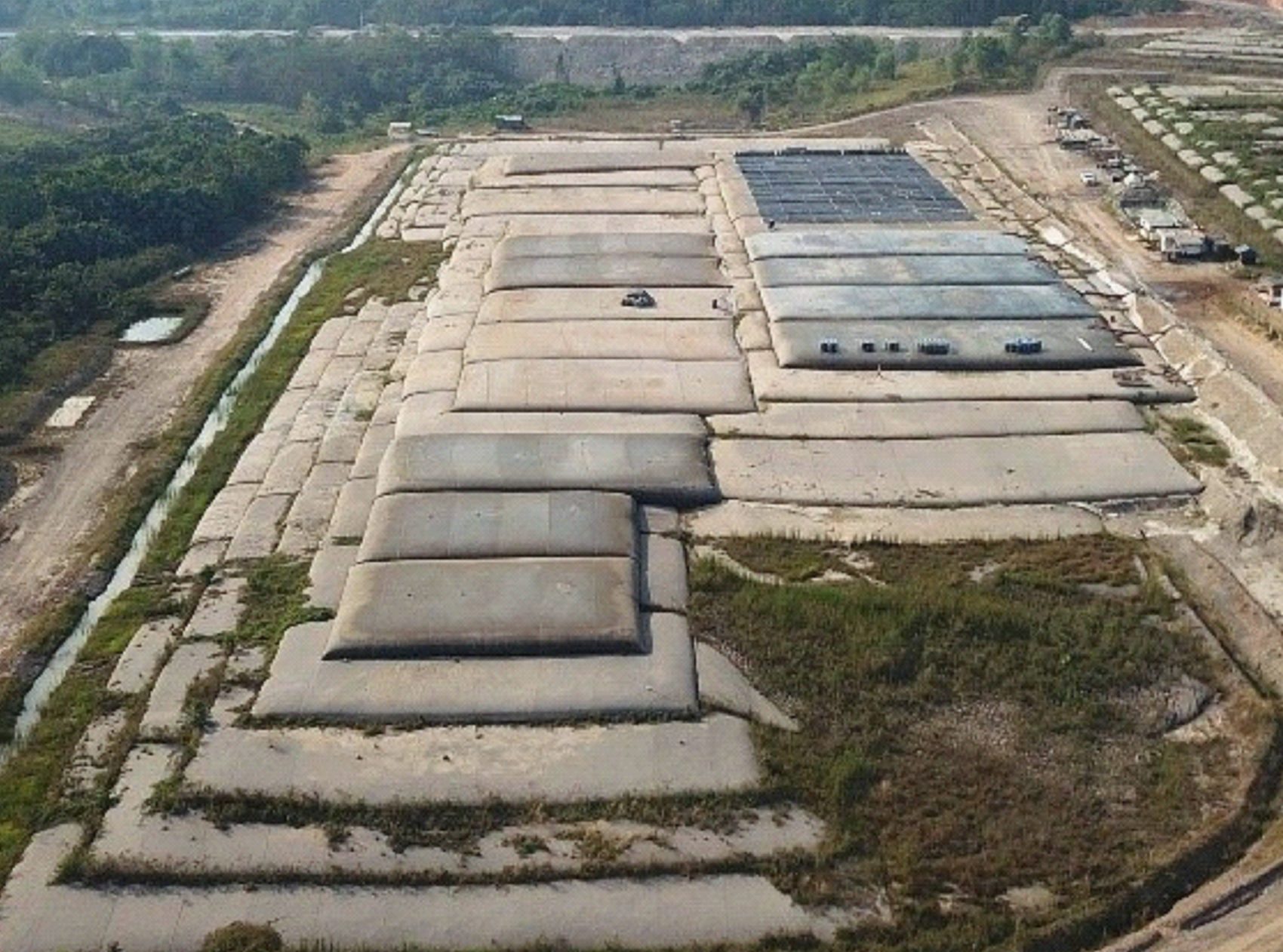
Aerial view of geotextile tubes dry-stacking tailings across a lined and graded storage pad
Geotube dry-stack tailings storage

The oxide treatment plant uses proven Carbon-in-Leach technology to recover gold and silver. Waste rock is stored in geotextile tubes and dry-stacked in a tailings storage facility, which removes the risks that come with holding tailings behind a conventional wet dam.

Cyanide is destroyed using an INCO detoxification circuit before any material reaches storage. Both the INCO circuit and geotube tailings storage are being used for the first time in Victoria here.

Nothing leaves the site. Water is recovered and recirculated, residues are dried and repurposed, and the facility is designed as a zero release operation.

Plant design

  • Modular build for operational efficiency

  • Primary crusher and secondary grinding circuit

  • Carbon-in-Leach tank train for gold and silver recovery

  • INCO cyanide detoxification before lined-cell tailings storage

  • Mains power augmented by on-site solar generation

  • A second plant, for sulphides and antimony, permitted to follow

What the hub delivers to the district

  • Direct investment and ongoing jobs in Nagambie and across Central Victoria

  • A new industrial precinct built on a pre-existing disturbed mining site

  • Toll treatment capacity available to other operators in the region

  • Development of Mineralised Ore Bioleaching for gold recovery and tailings rehabilitation

  • Renewable generation and storage shared across mining, haulage and processing

  • Rehabilitation of historic tailings left behind by earlier operators

Approvals for new tailings storage facilities have become very difficult to obtain in Victoria since the regulations were tightened. GCM holds existing permits that are expandable — which is why the hub, rather than any single ore body, is the project’s most durable asset.

Partnership

The Nagambie Joint Venture.

Nagambie Resources Limited (ASX: NAG) and Golden Camel Mining are equal partners in the construction, commissioning, operation and rehabilitation of the gold toll treatment plant at the Nagambie Mine, Victoria.

The two companies signed a comprehensive Joint Venture Agreement covering the full life of the facility, from construction through to rehabilitation. GCM is the manager of the joint venture.

Before that, the partners received a Planning Permit from the Strathbogie Shire covering the removal of vegetation and the construction, operation, tailings disposal and rehabilitation of the plant at the Nagambie Mine — the approval that made the facility possible. GCM then began acquiring major items for the plant, including the ball mill and componentry for the Carbon-in-Leach circuit.

The joint venture is also examining renewable generation across the site, using the extensive land Nagambie Resources holds around the mine, and may treat pregnant solutions should Nagambie recover residual gold from the historic heap leach pad.

The execution of the joint venture agreement is an important milestone in the development of the toll treatment facility, which will unlock the potential of Golden Camel’s suite of mining projects in the region.

Dean Pontin — Managing Director, Golden Camel Mining

Principal terms

Six terms govern the joint venture. Open any one to read it in full.

For the initial treatment plant, GCM pays all procurement, construction and commissioning costs and the first fill of all consumables, and funds upgrades to associated site infrastructure including the main mine entry, power supply and internal haul roads.

Read more

Once steady-state ore throughput and gold recovery have been achieved, toll treatment revenues, operating costs, rehabilitation costs and sustaining capital are shared equally between Nagambie Resources and GCM.

Read more

All future plant expansions and gold recovery improvements are paid for equally by both parties.

Read more

GCM is the manager of the joint venture. Both parties are equally represented on the joint venture committee, all committee decisions are unanimous, and no fee is payable to the manager.

Read more

The initial ore treated at the plant is trucked from GCM's Golden Camel Mine. Toll treatment charges for third parties supplying ore to the plant are approved by the joint venture committee on the manager's recommendation.

Read more

If Nagambie Resources proceeds to recover residual gold from the historic Nagambie Mine heap leach pad using bacterial solutions, the joint venture will periodically treat the pregnant solution and pour gold bars to Nagambie's account.

Read more

The joint venture agreement is a win-win for both companies and will undoubtedly open up future possibilities for the gold industry in central and eastern Victoria.

Mike Trumbull — Chairman, Nagambie Resources Limited

Beyond our own ore

A hub the whole district can use.

Because the hub is permitted for more throughput than our own first mines require, it can treat ore and tailings from other operators in central and eastern Victoria — ground that has historically had nowhere nearby to send its ore.

That is what makes the facility a piece of regional infrastructure rather than a private plant, and why neighbouring operations have already expressed interest in toll treatment.

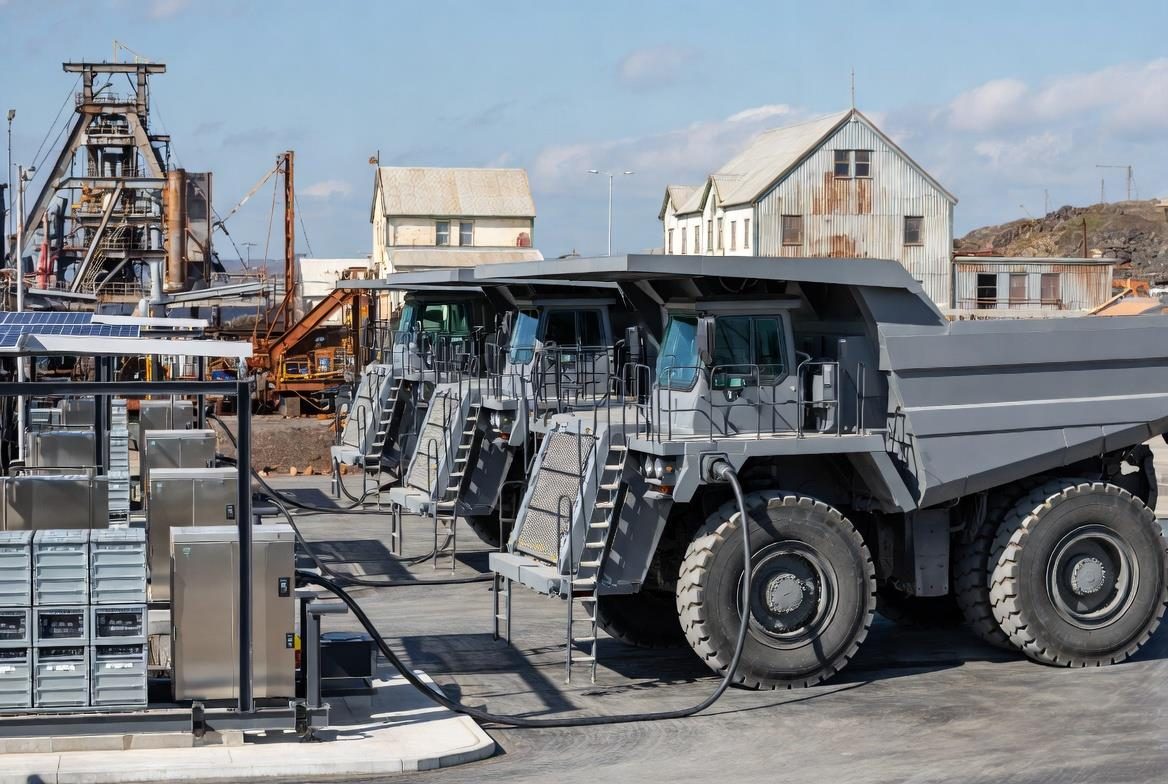
Electric haul trucks connected to charging infrastructure at a mine site
Electric haulage and charging infrastructure

Next

Built clean, by design.

Every part of this project — the plant, the fleet, the tailings, the power — was designed around a zero-emission operating model.